
Industries in the UAE have a significant role to play in workplace safety, especially those in the oil and gas, construction, manufacturing, petrochemicals, and chemical processing or water waste treatment industries. There are many industrial settings where the presence of different gases may be toxic and flammable or harmful upon breathing it. Some gases are hard to identify because they are odorless or colorless – especially so if you don’t have the proper monitoring equipment!
Businesses can use gas detection equipment to detect potential gas leaks, keep track of air quality, and alert employees in case a gas leak is detected, preventing it from becoming fatal. Equipment selection is thus significant to a good workplace safety plan.
The significance of gas detection equipment in UAE’s industries.
Hydrogen sulphide gas (H₂S detector), carbon monoxide (CO) gas, methane gas, oxygen gas and VOCs (Volatile Organic Compounds) are present at industrial facilities. Unexpected leaks and lack of oxygen may lead to health and fire risks.
A proper gas detection system is integrated into a constantly monitored surrounding atmosphere and warns workers if the level of gas is or is approaching dangerous concentrations. Early warnings enable staff to evacuate and undertake the necessary emergency procedure and provide assistance to the safety staff investigating the problem.
Proper gas detection equipment can help in risk management, employee safety and minimise financial risks for industrial incidents at the workplace in UAE businesses.
Which kind of Gas Detection Devices are needed in industry?
Various workplaces involve a wide range of different types of gas detection equipment to meet various types of gases and various levels of risk.
1. Portable Gas Detectors
Portable Gas Detectors are lightweight, portable instruments for use by personnel during work hours. They constantly scan the environment and advise or warn (sound and light or vibration) on the presence of hazardous gas.
Multigas detectors work well for construction, maintenance and for confined space operations as well as for oil and gas facilities. Common models monitor oxygen, combustible gases, carbon monoxide and hydrogen sulphide.
2. Fixed Gas Detection Systems
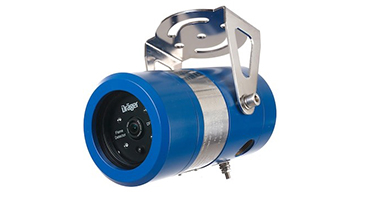
Permanently installed gas detectors, known as fixed gas detectors, are used in places where gas leaks can happen, such as pipelines, gas storage tanks or gas production areas and chemical processing units. They are continuously monitored and can be linked to a central control panel, ventilation and emergency shut down system.
3. Single-Gas Detectors
One specific gas, e.g. hydrogen sulphide, ammonia/CO detection, etc. are identified by these devices. They can be used in industries where there is only a single gas with the greatest safety hazard.
Task 4: Area Gas Monitoring Systems
Area monitoring equipment is designed for safety teams to monitor gas levels in extended industrial areas. These systems are suitable for hazardous areas, temporary working sites or facilities where there are several employees working in the area who could be exposed to possible gas leaks.
What are the working principles of the Industrial Gas Monitoring System in Hazardous Areas?
Industrial gas monitoring systems for hazardous environments are developed to see to it that dangerous concentrations of gas are not a significant danger.
The surrounding atmosphere is continuously measured using fixed sensors and the results sent to a monitoring controller. The system automatically begins warning lights, and sirens and other safety responses as the gas concentrations hit predefined alarm levels. It can also start a ventilation or gas shut-off process as necessary to the system design.
For instance, a chemical production plant with toxic gases might have fixed detectors near storage areas, pipelines and equipment. Portable detectors can also be used for a person to use while working in restricted or confined areas.
It is important to select equipment that is suitable for the classification of the hazardous area. Detectors and electrical devices should have suitable protection and certification for where they are going to be installed.
What is the best Gas Detector for Industrial Applications?
When choosing equipment, it’s not enough to simply look at the cost of the product or brand. It is important for a business to first know what the real hazards are in their business.
Take these to-do’s into consideration:
- Indicate target gases: Identify if the workplace must monitor for toxic gases, combustible gases, oxygen deficiency or oxygen enrichment.
- Select appropriate sensor detection range: select sensors that have appropriate measuring ranges and alarm set points for the exposure risks that are anticipated.
- Evaluate environmental conditions: UAE industrial environments can have high temperatures, dust and humidity. Select equipment to fit real life operating conditions.
- Check certifications: Ensure appropriate product approvals, hazardous area certifications, and UAE requirements have been met.
- Look at maintenance support: Prefer equipment which is easily calibrated, replacement sensors and technical support & servicing.
- Assess alarm functions: Distinct, audible and visual alarms aid worker awareness of danger and prompt rapid response.
Also consider whether a portable or a fixed equipment or a mix of both are most important to protect businesses.
Why is Calibration and regular maintenance important?
Even the most sophisticated gas detectors need routine checks and maintenance. The operation of sensors not only may vary due to environmental exposure but also may suffer from ageing and contamination.
Maintenance calibration determines the accuracy of measurement of gas concentrations by the instrument. The bump test lasts for some seconds of specified test gas exposure to verify proper sensor and alarm operation.
Manufacturers’ instructions should determine testing and calibration intervals. Equipment should not be reused if tests have been failed or the sensors are damaged or the sensor is giving unreliable readings.
The Abu Dhabi Department of Energy also mentions regular inspections, certified gas detection systems, and professional servicing and employee training for emergencies as critical gas safety measures.
What do you need to think before investing in gas detection systems?
Before installation a proper gas hazard assessment should be done on the property by the business. The location of detectors, type of sensors, alarm threshold and emergency procedures must be considered and designed by qualified safety experts.
In the UAE, the UAE Ministry of Industry and Advanced Technology has issued Cabinet Resolution No. 15 of 2026, which outlines the safety criteria for industrial gas facilities. Companies working with industrial gases are advised to check the relevant official requirements as well as the regulations of the relevant emirates and industry standards.
Conclusion
In order to ensure safer working in the industrial environment and protect employees, reliable gas detection equipment is essential. Depending on the gases found and the conditions and risks on the workplace, different gas detectors are available: from portable multi-gas detectors to permanently installed gas monitoring systems.
By following these steps, investing in the right industrial gas detector UAE, regular calibration, professional installation, and employee training can help businesses strengthen their workplace safety programme. In short, gas monitoring isn’t just leak detection; it’s about risk recognition in the early stages and providing people with time to take appropriate action.