In 2026, multi-gas detection technologies are poised to revolutionise workplace safety with their cutting-edge capabilities. As 2026 approaches, multi-gas detection technologies are set to transform workplace safety through their advanced features in the UAE. From oil and gas refineries to petrochemical plants, the UAE’s industrial sector is quietly revolutionising the way hazardous atmospheres are guarded against workers. The UAE workplace safety technologies that companies are implementing have evolved beyond simple alarms and are connected, intelligent, and predictive.
Why Multi-Gas Detection Is at the Centre of This Shift
Airborne hazards are seldom multiple hazards at an industrial site. Many of the spaces in which these hazards are found may also have several hazards present at the same time, including toxic, flammable, and oxygen-deficient hazards. This is because there is a tremendous demand for multi-gas detectors, which can monitor multiple gases in multifaceted gas hazard environments and for UAE businesses investing in comprehensive air quality monitoring rather than single-gas monitoring. When teams purchase equipment, they can rely on reputed multi-gas detector suppliers in the UAE, providing them access to equipment designed to address multiple threats instead of a single one.
The Internet of Things and connectivity are transforming the definition of fixed systems.
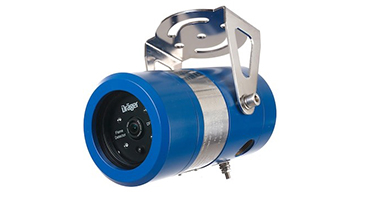
A major transition that is happening in facilities of the UAE is the transition to connected infrastructure for fixed gas detection systems. With the introduction of IoT-based gas leak detectors, safety managers can now access real-time data from all sensors in a centralised control system, a predictive maintenance platform and a cloud analytics system—providing a single, collaborative picture of information, not just a single sensor reading. The IoT and AI convergence is giving rise to new classes of safety products and services that allow facilities to shift from being reactive to predictive in managing risks.
More and more portable devices are becoming lighter and smarter. Portable devices are becoming lighter and smarter by the day.
In terms of personal protection, the users of portable gas detectors in the UAE are increasingly opting for smaller and harder-to-beat units. Today, portable detectors are multi-gas, with digital displays and wireless connectivity, and can be carried in a compact, battery-operated detector suitable for entry into confined spaces, emergency response, and routine inspections. This change is especially important for H₂S gas detector suppliers in the UAE, as hydrogen sulphide is one of the most frequent and dangerous hazards in the oilfield or wastewater sector and requires sensitive and portable instruments.
Oil and gas operators are driving the adoption of the product.
Investment in safety technology remains the main investment priority in the Middle East’s energy sector. The region has strong growth drivers in the form of its large oil and gas operations, with significant capital expenditure on refinery capacity expansion, as well as advanced detection systems being adopted as a result of the focus on safety in the UAE and Saudi Arabia. This is why there’s been an obvious change in the demand for oil and gas safety equipment in UAE facilities towards cross-interference resistance devices, wireless alerting devices, and cloud-based fleet management devices as opposed to standalone analogue devices.
What This Means for Safety Managers in 2026
With regulatory requirements tightening up and projects scaling up, the need for upgrading the legacy detection infrastructure is more compelling than ever. Selecting suppliers with a vision for both the technical sensor needs and the practicalities of the UAE worksite delivers real results in terms of compliance, worker safety, and long-term equipment reliability.
If you’re considering new detection technology for the year, it’s best to work with a supplier who can identify the equipment that is suitable for your gas hazards, facility, and connectivity requirements to save both money and risk in the long run.