Planning of confined space rescue operations is essential as they could involve an oxygen deficiency, exposure to toxic gas, flammable (explosive) atmosphere, or exposure to other hazards that rapidly reduce a worker’s breathing capacity. Therefore, respiratory protection should be chosen in the UAE as part of risk assessment and rescue management for a confined space, contained in a written risk assessment. According to the official guidance in Abu Dhabi, the equipment for confined space entry, emergency or rescue must be suitable as per task/wearer and in general breathing apparatus is the suitable protection against confined space entry.
What Are the Things Workers Must Check Before Entering A Confined Space?
The team should determine what is hazardous and if it can conduct the planned work before entering. Monitoring of the atmosphere should be done, including oxygen concentration, flammable gasses or vapours and any other toxic contamination of concern. OSHA guidance, for instance, gives the following acceptable range for oxygen for the referenced shipyard standard and requires testing and control for flammable and toxic atmospheres: 19.5% – 22.0% oxygen.
Further, workers should check:
- Confined Space Entry Permit and risk assessment are done.
- Equipment for monitoring the atmosphere is suitable, calibrated and operational.
- Ventilation is sufficient if it is needed.
- Communication and emergency procedures put into place.
- Retrieval and rescue equipment is ready at hand.
- The set up safety equipment is appropriate for the hazards identified.
- HR workers wearing respiratory protection have trained and have been provided with respirator checks.
When Is a Self Contained Breathing Apparatus Considered?
When the atmosphere is not able to be relied upon to provide safe breathable air or when conditions may be immediately dangerous to life and health (IDLH), then a self contained breathing apparatus (SCBA) may be considered. OSHA specifically states that the choice of positive-pressure SCBA is the right one for entry into an IDLH, and the length of time the air in the equipment will last must be planned for.
SCBA provides the wearer with his/her breathing-air supply, eliminating reliance on the air in the confined area. But before making choices, cylinder capacity, work estimate, access, movement limitations, escape considerations and rescue provisions should all be assessed.
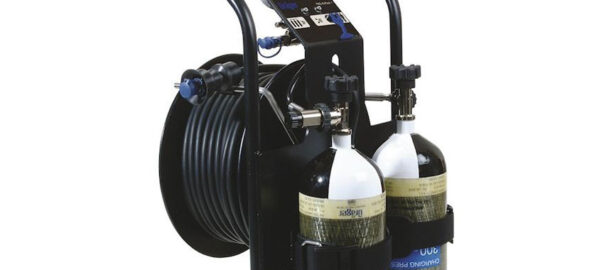
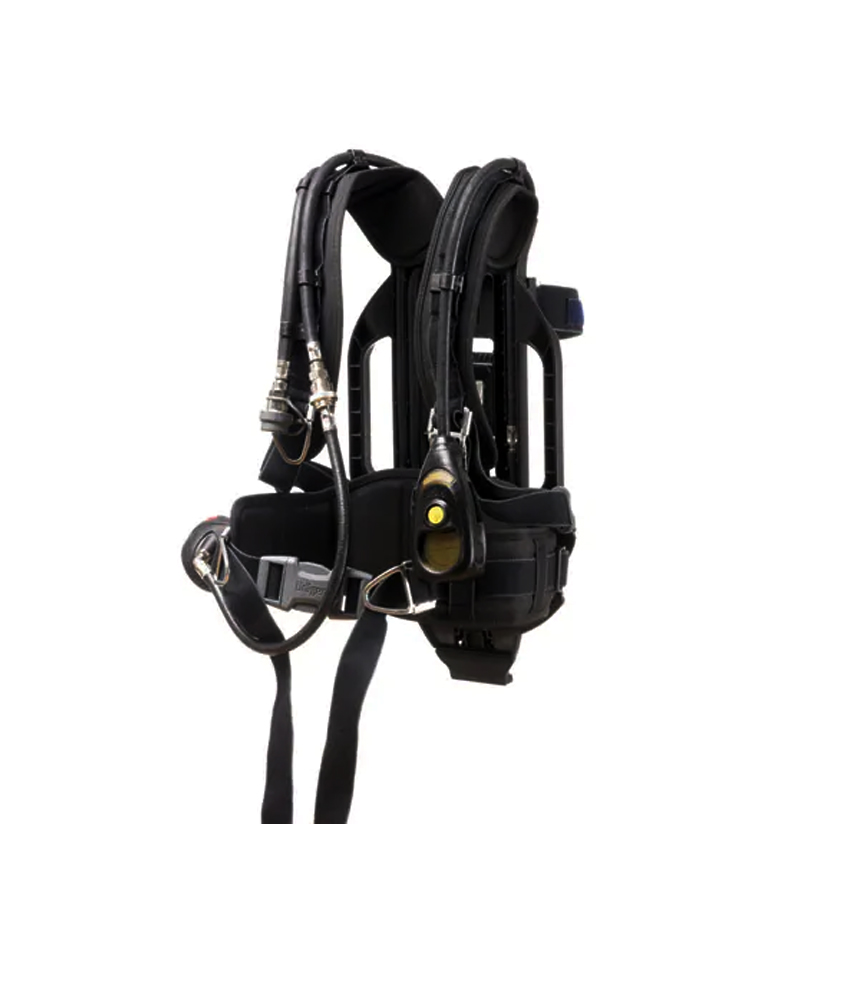
Eastwind Safety’S SCBA category encompasses open circuit and closed circuit breathing apparatus models, and compressed air breathing cylinders. Some of the equipment it lists are suitable for both different types of rescues and different times of use, proving that you definitely need to select your equipment according to a rescue situation and not just only equipment that is known by the name of Respirator.
Supplied-Air Equipment Considered When?
Supplied-air equipment also may be considered if workers need longer duration of breathable-air provision and work conditions are suitable for the safe management of an airline system. Some of these applications, such as chemical tank cleaning and toxic spillages, applications where longer breathing-air times are required for certain off-shore tasks, are listed by Eastwind Safety for Dräger PAS AirPack systems.
However, rescue plans should take into account airline routing, the potential for snagging, air-source reliability, air pressure, means of escape, and the fact that conditions may have changed during the rescue. Extending the duration of breathing air does not automatically make a supplied-air system safe, for it must meet the specific requirements of the application.
How is Rescue Breathing Equipment to be prepared?
Planning should start prior to an emergency event. Facepieces, cylinders, regulators, hoses, connections, warning devices, harnesses and other equipment and equipment associated with it should be inspected per manufacturers instructions and applicable procedures by rescue personnel. Cylinder pressure and how much time is left should be adequate to carry out a planned operation including entry, location of casualty, provision of assistance and a safe withdrawal.
They should also have the right training, and be aware of the limits of the breathing apparatus to be used on the job. It is important to remember that OSHA regulations recognize that workers assigned to perform an IDLH rescue operation must be properly trained and equipped for effective rescues.
Building a Reliable Confined-Space Rescue Plan
Using breathing protection is only a part of a complete rescue system. The plan should include measures for atmospheric monitoring, ventilation, communication, retrieval, first aid, trained rescuers, access and appropriate safety gear. Rescue equipment should be set-up so that they may be made use of immediately.
When considering respiratory protection when working in an industrial environment (such as at an oil and gas facility, tank, process zone, utilities area, or maintenance site) in the UAE, the choice of respirator should always be based on the site risk assessment, applicable UAE requirements, manufacturer instructions and competent advice of a safety professional. With proper preparation, a self contained breathing apparatus can be used as intended and not a “hodge podge” thrown at a crisis.